Two of the largest operating expenses in a Seattle apartment building are also two of the easiest to get wrong: property taxes and the utilities the owner pays. Both depend on facts that change with the sale or that the seller may not present in full. This guide is organized around the questions a buyer should answer for each, with the goal of turning them into realistic lines in the budget.
What will the property taxes be after I buy?
In Washington, property taxes are based on assessed value, which in King County is set by the county assessor and updated regularly. The seller’s current tax bill reflects the current assessed value, not necessarily the price you are about to pay. Look up the parcel’s assessed value history and the current tax bill in county records, then consider how the assessment could move once a sale at your price is on record.
For underwriting, many buyers estimate taxes based on the purchase price rather than the old assessment, so the budget does not depend on the assessment staying low. If the actual bill comes in lower, the deal is better than planned, not worse.
Tip: Levy rates differ by location because of local levies and voter-approved measures. Use the rate that applies to the specific parcel, not a citywide average.
Who pays which utilities?
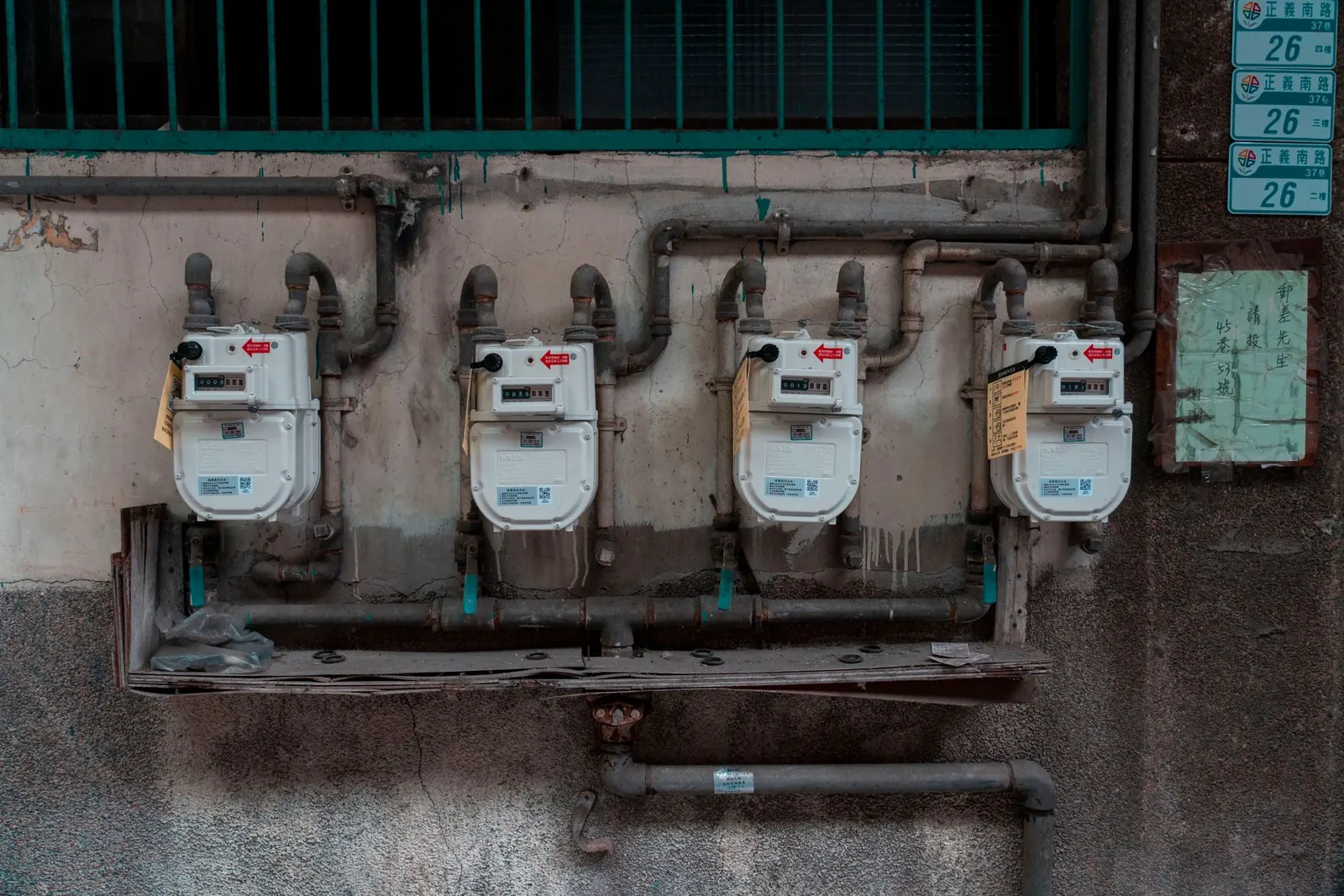
The answer is written in the leases and shown on the bills. In many Seattle apartment buildings the owner pays water, sewer and garbage while tenants pay their own unit electricity, but older buildings may have owner-paid heat, a single electric meter or shared hot water. Ask for twelve months of actual bills for every utility account in the owner’s name, not a summary. A single month tells you little because water, sewer and heating costs vary through the year.
Can I bill utilities back to tenants?
Also ask whether any unit has its own heating fuel, such as an oil tank, that the owner fills. Oil heat is less common today, but where it remains it is a real cost, and an old tank can also be a due diligence question in its own right, since leaks can create environmental cleanup obligations.
Some owners recover part of water, sewer and garbage costs from tenants through a separate charge. If the seller already does this, check that the leases allow it, how the charge is calculated and whether it is actually collected. If you plan to start doing it, check the city’s current rules on how utility charges to tenants must be calculated and disclosed, and remember that a new charge on existing tenants can count as a housing cost increase subject to notice rules. Our guide to Seattle Landlord Rules to Price In Before You Buy covers those notices.
What other city costs belong in the budget?
Seattle requires rental properties to be registered with the city, and registration has to be renewed every two years. Properties are also selected for inspection under the city’s Rental Registration and Inspection Ordinance. Budget for the registration fee, the cost of any inspection and the repairs an inspection might require. The fees are small next to taxes and utilities, but the repairs may not be.
What about the tax when the building sells?
Washington charges a real estate excise tax on sales. The Department of Revenue notes that it is usually paid by the seller, and the state portion is graduated, rising at higher sale prices, with a local portion added on top. It is not an operating expense, but it matters for your exit: when you eventually sell, it will come out of your proceeds. Include it in any projection of a future sale, such as the one in Stress-Testing an Apartment Deal: Rates, Rents, Expenses and Exit.
How much detail is enough?
For a small building, a year of actual bills for each owner-paid utility and the last two property tax statements are usually enough to build the budget. For larger buildings, two years of utility history helps separate a one-off spike, such as a leak, from a trend. Ask for account numbers too, so the accounts can be moved into your name at closing without a gap in service.
How do I put this into the numbers?
Use a tax estimate based on your price, the actual twelve-month total for each owner-paid utility and a line for city registration and inspection. Keep utility reimbursements from tenants on the income side, and only where they are collected today. Then carry these lines into the full budget described in Apartment Operating Expenses: Building a Budget as the Next Owner.
Tip: If any utility bill is in a tenant’s name for a common area, such as a hallway light on a unit meter, sort it out before closing. It is a small cost, but it is also a sign of how carefully the building has been run.