A T12, short for trailing twelve months, is the property’s income statement for the most recent twelve months, usually shown month by month. Where the rent roll is a snapshot of today, the T12 is a record of what actually happened. Reading the two together is the core of financial due diligence on an apartment building. This guide explains how to work through a T12, what patterns to look for and how to turn it into numbers you can underwrite.
Key takeaways
- Ask for the T12 month by month, not as a single annual column.
- Compare it with the rent roll and with bank statements.
- Separate one-time items from recurring ones before you use any total.
- Your underwriting starts from the T12 but adjusts it to the next owner.
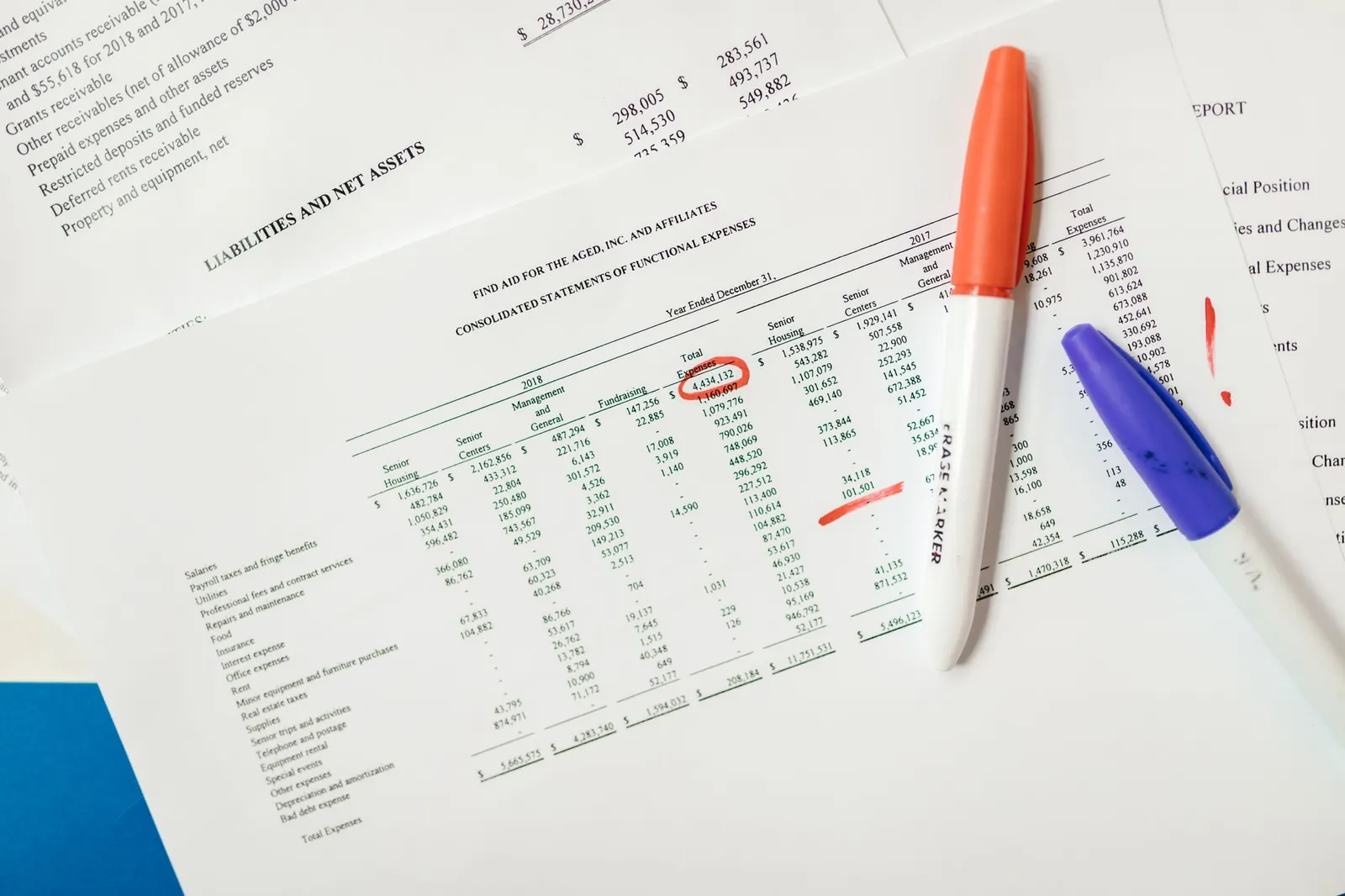
Step 1: get the right document
Request a monthly T12 that ends with the most recent complete month, plus the prior year’s full statement if it exists. A single column of annual totals hides seasonality, one-time events and trends. If the owner uses a management company, the statement should come from their accounting system; if the owner keeps their own books, expect less detail and plan to confirm more of it.
Step 2: read income across the months
Look at rental income month by month. A steady line suggests stable occupancy. A dip followed by a climb may mean a renovation, a period of vacancies or a change in rents. A sharp rise in the last two or three months is worth a question: it may reflect new leases at higher rents, which is good, or concessions ending, or a catch-up payment from a tenant who had been behind.
Then compare the latest month’s rent with the current rent roll. If the rent roll adds up to more than the T12 shows being collected, find out why. Our guide to How to Read a Rent Roll Before You Make an Offer covers that comparison from the other side.
Step 3: read expenses the same way
Expenses should show a rhythm: utilities vary by season, taxes and insurance land in certain months, repairs come and go. Look for months where a category is missing entirely, which may mean a bill was paid from another account, and for unusually large months, which may be a one-time repair or a capital item recorded as an expense.
A checklist of what to look for
| Look for | Why it matters |
|---|---|
| Months with zero in a recurring category | A missing bill understates expenses |
| One very large repair month | May be capital spending; move it out of operating expenses |
| No management fee | Self-managed; add one for the next owner |
| Insurance paid once a year | Check the full-year premium is included |
| Property tax in one or two installments | Confirm both halves are in the twelve months |
| Other income that appears once | Could be a refund or insurance payout, not ongoing income |
| Owner’s personal costs | Remove them; they are not property expenses |
Step 4: normalize
Normalizing means turning the seller’s actual year into a typical year for the next owner. Remove one-time income such as a refund or an insurance payment. Move capital items out of repairs and into your capital plan. Add costs the seller did not have, such as a management fee or paid maintenance labor. Replace taxes and insurance with your own estimates. The result is a T12 you can compare with the budget described in Apartment Operating Expenses: Building a Budget as the Next Owner.
If the numbers do not reconcile
If collected rent is well below the rent roll, ask about vacancy, concessions and unpaid balances, and underwrite from the collected figure until the difference is explained.
If expenses look very low for the building’s size and age, ask what is being paid outside the statement, such as work done by the owner, and budget for it.
If the seller cannot provide monthly detail, ask for bank statements and actual bills. Many buyers make access to those documents a condition of the purchase contract.
Tip: A T12 is a record, not a promise. Treat any line you cannot confirm with a bill, a bank statement or a lease as an assumption, and price it that way.
Comparing with the prior year
If the seller can provide the previous full year, set it next to the T12. Lines that changed sharply from one year to the next deserve a question: a large drop in repairs may mean work was postponed before the sale, and a rise in rental income may reflect new leases or a change in how income is recorded. Two years of history also shows whether the latest months are typical or unusual.
Where this leads
A normalized T12 gives you the income and expense lines for your net operating income, explained in Net Operating Income: The Number Every Apartment Deal Starts With. The building itself also needs checking: Physical Due Diligence and Capital Reserves for an Apartment Building covers the physical side of due diligence.